
Crypto Investment Red Flags
Learn the most important crypto investment red flags, how fraudulent trading platforms operate, and practical ways to identify and avoid dangerous crypto investment scams.
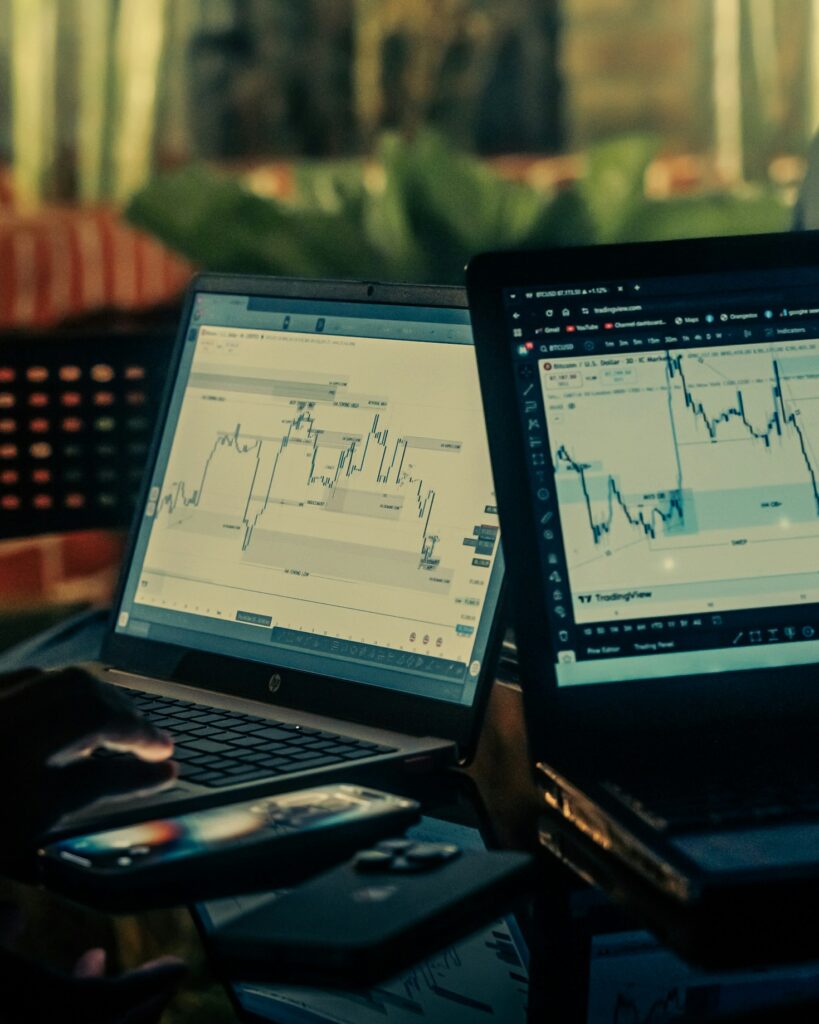
Cryptocurrency investing and trading can provide access to innovative financial technology, but it also requires careful research. The rapid growth of digital assets has attracted legitimate businesses, developers, investors, and traders. Unfortunately, it has also attracted scammers who use sophisticated websites, fake trading dashboards, social media profiles, and misleading investment promises to deceive people.
Knowing the most common crypto investment red flags can help you slow down and investigate an opportunity before committing your money. A professional-looking website, convincing salesperson, or impressive account balance does not automatically mean an investment opportunity is legitimate.
This guide explains nine important warning signs and provides practical steps for protecting yourself.
What Are Crypto Investment Red Flags?
Crypto investment red flags are warning signs that may indicate an investment opportunity, trading platform, token project, or person promoting cryptocurrency could be unsafe or fraudulent.
A single warning sign does not necessarily prove that a project is a scam. However, multiple warning signs appearing together should encourage you to stop, investigate, and avoid making rushed financial decisions.
Examples include guaranteed profits, pressure to deposit immediately, unclear company ownership, unrealistic returns, unexplained withdrawal requirements, and requests for sensitive information.
Understanding crypto investment red flags is therefore an important part of cryptocurrency due diligence.
1. Guaranteed or Unrealistic Returns
One of the most important crypto investment red flags is a promise of guaranteed profits.
Cryptocurrency markets can be highly volatile. Legitimate investments involve risk, and no credible trader can guarantee extraordinary profits regardless of market conditions.
Be particularly cautious when someone claims that you can:
- Double your money within a very short period
- Earn guaranteed daily profits
- Make money without any possibility of loss
- Receive unusually high returns with zero risk
- Automatically generate profits regardless of market conditions
Fraudsters may use screenshots showing supposedly successful investors or fabricated trading results to make these claims appear credible.
How to Avoid This Risk
Never make an investment decision solely because someone promises a particular return. Research the company, understand the risks, verify the identity of the people involved, and consider whether the claims make economic sense.
If an opportunity sounds too good to be true, treat that as a reason to investigate rather than a reason to invest quickly.
2. Pressure to Invest Immediately
Another major group of crypto investment red flags involves high-pressure sales tactics.
A person may tell you that an investment opportunity is available only for a few hours or that you must deposit cryptocurrency immediately to qualify for a special bonus.
This tactic is designed to prevent careful research.
Legitimate businesses generally do not need to pressure customers into making irreversible cryptocurrency transactions within minutes.
How to Avoid This Risk
Take time to investigate before sending money. Search for independent information about the company and its operators. Verify claims using sources that are not controlled by the person promoting the investment.
A genuine opportunity should withstand reasonable questions and verification.
3. Fake Trading Platforms
Fake cryptocurrency trading platforms are another serious warning sign to understand.
A fraudulent platform may have a sophisticated website containing charts, account balances, trading histories, customer-support features, and apparently successful transactions.
However, the information displayed on the dashboard may not correspond to real assets or genuine trading activity.
This is one of the most deceptive crypto investment red flags because a professional interface can create a false sense of security.
How to Avoid This Risk
Before depositing funds, investigate who operates the platform. Check its company information, terms, contact details, regulatory status where applicable, and independent reputation.
Do not assume that a website is legitimate simply because it looks professional.
Be particularly cautious if you discovered the platform through an unsolicited social-media message or someone you have never met.
4. Problems With Withdrawals
Unexpected withdrawal problems are among the most significant crypto investment red flags.
A fraudulent platform may allow users to deposit cryptocurrency and display an increasing account balance. When the user attempts to withdraw, the platform may suddenly claim that additional conditions must be satisfied.
For example, users might be told they need to pay an unexpected charge, provide additional cryptocurrency, or complete an unusual verification requirement before accessing their funds.
How to Avoid This Risk
Research withdrawal policies before depositing. Read the platform’s terms and look for independent reports from users.
Never assume that a displayed balance is proof that you actually possess withdrawable cryptocurrency.
If a platform suddenly demands additional money before allowing access to supposed profits, stop and independently investigate the situation.
5. Anonymous or Unverifiable Operators
Another important category of crypto investment red flags involves people or companies that cannot be independently verified.
A website might claim to have professional traders, blockchain experts, or investment specialists, but provide little reliable information about who actually operates the business.
Some scammers also use stolen photographs, fake professional profiles, fabricated awards, and invented credentials.
How to Avoid This Risk
Research the company and people behind the investment.
Look for consistent information across independent sources. Verify professional credentials rather than relying on claims made on the investment website.
Be cautious when the only information available about a company comes from its own website or social-media accounts.
Transparency does not guarantee legitimacy, but a complete lack of verifiable information is an important warning sign.
6. Requests for Sensitive Wallet Information
Some crypto investment red flags involve requests for information that should remain private.
A legitimate service should not need your private wallet credentials simply because you want to invest or trade.
Never disclose sensitive wallet information, including private keys or recovery phrases, to someone claiming they need them to verify your account, recover your funds, or activate a trading service.
How to Avoid This Risk
Keep sensitive wallet credentials offline and protected.
Do not enter recovery information into websites reached through unsolicited links. Download wallet applications only from trusted official sources.
Remember that anyone who obtains the credentials necessary to control a wallet may potentially gain access to its assets.
7. Fake Testimonials and Social Proof
Fraudulent investment operations may use testimonials to create the appearance of widespread success.
This can include screenshots of supposed profits, fabricated reviews, fake social-media comments, staged conversations, or photographs of people presented as successful customers.
Fake social proof is among the crypto investment red flags that can be difficult to recognize because it is designed to exploit trust.
How to Avoid This Risk
Do not make an investment decision based solely on testimonials.
Look for independent reviews and information from multiple sources. Consider whether the testimonials can actually be verified.
Be especially cautious when nearly every review promises extraordinary profits and there are few credible independent sources discussing the company.
8. Unclear Fees and Unexpected Payments
Unexplained payment demands are another important category of crypto investment red flags.
A platform may initially advertise simple trading or investment terms but later introduce unexpected charges.
For example, a user might be told that additional money is required to access an account, release profits, complete a withdrawal, or satisfy a supposed external requirement.
How to Avoid This Risk
Understand the platform’s fees before depositing cryptocurrency.
Read its published terms and conditions and ask questions about anything unclear.
Never assume that a new payment request is legitimate simply because it comes from customer support.
If you are told that you must send additional cryptocurrency to unlock an account balance, independently verify the claim before doing anything else.
9. Unsolicited Investment Offers
Unsolicited messages are among the most common crypto investment red flags.
Scammers may contact potential victims through social-media platforms, messaging applications, email, dating platforms, or online communities.
They may gradually build trust before introducing an investment opportunity.
The person may present themselves as an experienced trader and offer to help you generate cryptocurrency profits.
How to Avoid This Risk
Be cautious when strangers approach you with investment opportunities.
Do not assume someone is qualified because they appear knowledgeable about cryptocurrency.
Avoid sending cryptocurrency to people you have only communicated with online, particularly when the relationship began with an unsolicited message.
How to Research a Crypto Investment
Recognizing crypto investment red flags is only the first step. You should also establish a consistent research process before investing.
Start by identifying the company or project behind the opportunity. Find out who operates it, where it is based, and whether relevant registration or licensing requirements apply in its jurisdiction.
Next, investigate the technology and business model. Ask what the company actually does and how it claims to generate revenue.
Review independent information rather than relying exclusively on promotional material.
You should also investigate the platform’s security history, withdrawal policies, fees, and reputation.
Why Professional Websites Are Not Proof of Legitimacy
One of the most dangerous crypto investment red flags is the assumption that a professional website automatically represents a legitimate company.
Modern website-building tools make it relatively easy to create sophisticated pages.
A fraudulent platform can contain:
- Professional graphics
- Live-looking trading charts
- Customer-service chat
- Fake certificates
- Company logos
- Fabricated reviews
- Account dashboards
- Supposed transaction histories
These features can make a website look trustworthy without proving that the underlying business is legitimate.
Always investigate beyond the website itself.
Be Careful With Social Media
Social media can be useful for learning about cryptocurrency, but it can also amplify misleading information.
Scammers may create fake profiles that imitate traders, influencers, analysts, businesses, or cryptocurrency companies.
If a social-media account directs you toward an investment opportunity, verify the organization independently instead of assuming the profile is authentic.
Recognizing social-media-based crypto investment red flags can prevent users from making decisions based on impersonation or manipulated information.
What to Do When You See Multiple Warning Signs
If you identify several crypto investment red flags at the same time, stop before sending additional funds.
Do not allow urgency, emotional pressure, or the promise of recovering previous losses to influence your decision.
Save relevant records, including transaction information, wallet addresses, website addresses, emails, messages, and screenshots.
If you believe you have been targeted by fraud, consider reporting the incident to the appropriate financial, law-enforcement, or consumer-protection authority in your jurisdiction.
Crypto Investment Due Diligence Checklist
A simple due-diligence process can help you identify crypto investment red flags before making a transaction.
Ask yourself:
- Who operates the company?
- Can the company and its operators be independently verified?
- Are the investment returns realistic?
- Are risks clearly explained?
- Are fees transparent?
- Can withdrawals be completed under clearly published conditions?
- Did someone unexpectedly contact me about the investment?
- Is the platform’s reputation supported by independent sources?
- Am I being pressured to act immediately?
- Am I being asked for sensitive wallet credentials?
If several answers raise concerns, stop and investigate further.
How to Avoid Crypto Investment Scams
The best way to respond to crypto investment red flags is to develop a habit of slowing down before making financial decisions.
Research before depositing. Verify before trusting. Question unrealistic claims. Protect your wallet credentials. Avoid unsolicited investment opportunities and never allow someone to pressure you into sending cryptocurrency.
It is also important to understand that blockchain transactions can be difficult or impossible to reverse. Prevention is therefore much safer than assuming that funds can always be recovered later.
Final Thoughts
Understanding crypto investment red flags can make cryptocurrency users more aware of the warning signs associated with fraudulent investment opportunities.
The most important lesson is simple: do not confuse appearance with evidence. A professional website, attractive trading dashboard, impressive testimonials, or confident salesperson does not prove that an investment is legitimate.
Crypto investment red flags should encourage careful investigation, not panic. When you encounter unrealistic returns, pressure tactics, anonymous operators, suspicious withdrawal requirements, fake testimonials, unexpected payment requests, or unsolicited investment offers, pause before taking action.
Ultimately, crypto investment red flags are most useful when combined with independent research, strong cybersecurity practices, and responsible financial decision-making.
No single warning sign can identify every scam, and no monitoring tool can guarantee that an investment is safe. However, learning how to recognize suspicious patterns gives you a better opportunity to avoid preventable losses.
Before committing cryptocurrency to an unfamiliar platform, take the time to verify the opportunity, understand the risks, investigate the people behind it, and make sure you can independently confirm its claims.
The safest investment decision is often the one you make after taking the time to investigate—not the one you make because someone tells you to act immediately.
crypto investment red flags, crypto trading red flags, crypto scam warning signs, cryptocurrency investment scams, crypto investment scams, crypto trading scams, crypto scam alerts, cryptocurrency fraud, crypto fraud prevention, crypto investment risks, cryptocurrency risk alerts, fake crypto investment platforms, fake crypto trading platforms, crypto withdrawal scams, crypto phishing scams, crypto wallet security, crypto due diligence, blockchain scams, digital asset scams, cryptocurrency security, crypto investor safety, how to avoid crypto scams, how to spot crypto scams, crypto scam prevention, cryptocurrency trading risks, crypto fraud alerts, suspicious crypto investments, crypto investment warning signs, cryptocurrency scam prevention, crypto security tips
Leave a Reply